Combination Cutters
Two or more operations carried on one tool — fewer changeovers, one setup.

Every special tool starts as a problem a catalogue can't solve — a form no standard cutter produces, an operation that should be one pass instead of three. We draw it, grind it and prove it. Then we make it again, exactly the same, for as long as you need it.
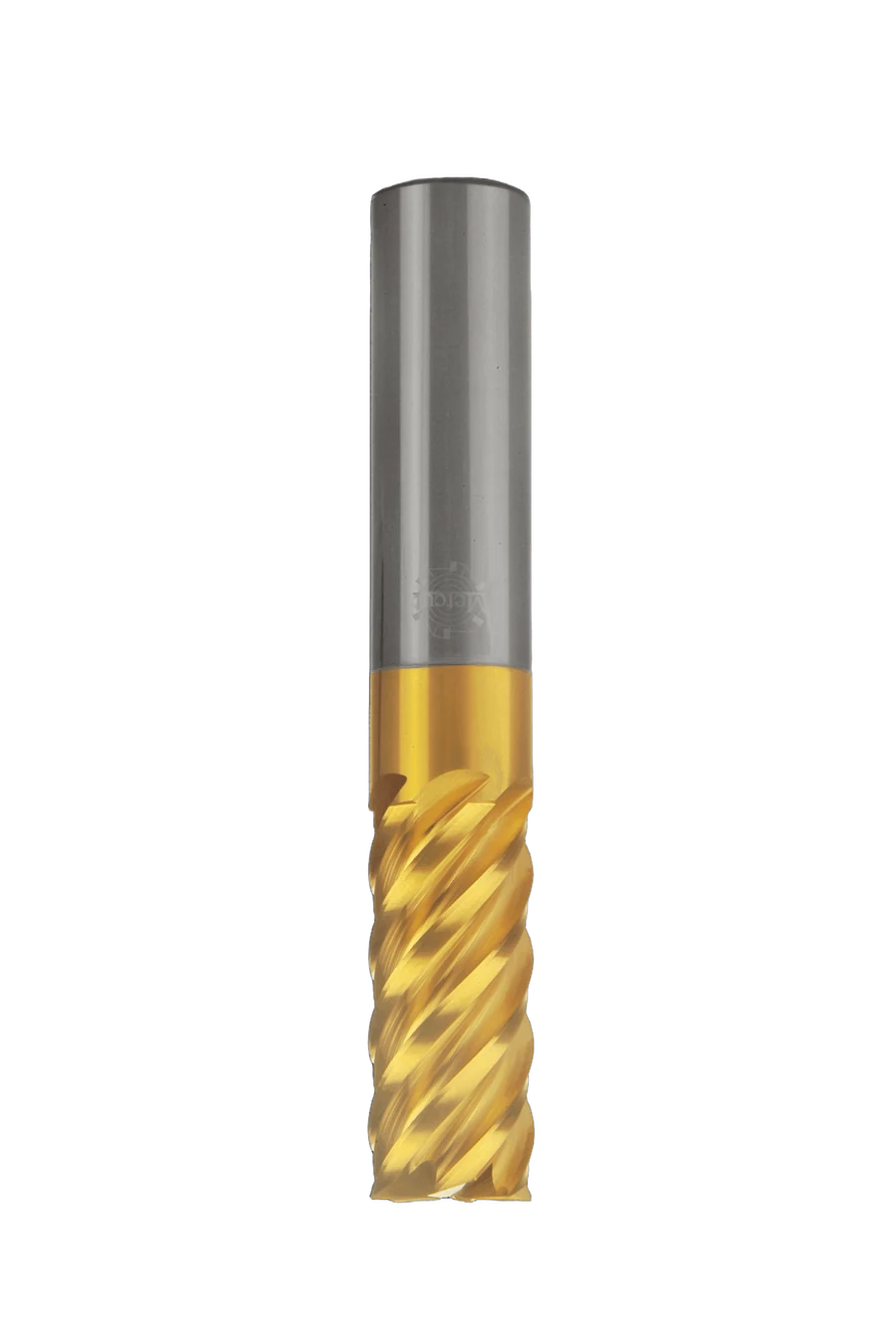
A customer sends the operation, the material and the tolerance they have to hold. No catalogue reference, because none of them fit. That constraint is the specification.
Diameters, step transitions, flute count, helix and point geometry are all parametric — set by the job. Nothing here is a stock profile with a different label on it.
Ground on our CNCs in Hubli, checked against the drawing, and put into a repeat cycle — so the twentieth tool matches the first one you approved.
Six families we're asked for most often — though the honest answer is that a special tool is whatever your operation needs and nobody stocks.
Two or more operations carried on one tool — fewer changeovers, one setup.
The finished profile ground into the tool, so the form is cut in a single pass.
Multiple diameters in one body — drill, counterbore and chamfer without a tool change.
Hole made and finished by one tool — drilled and reamed to size in the same plunge.
Seat, chamfer and thread relief cut to the port standard your valve body calls for.
Large bores cut as an annulus instead of chipping out the whole diameter.
Real jobs from the shop floor, shown as they came off the grinder. Each one exists because a standard tool couldn't do it.
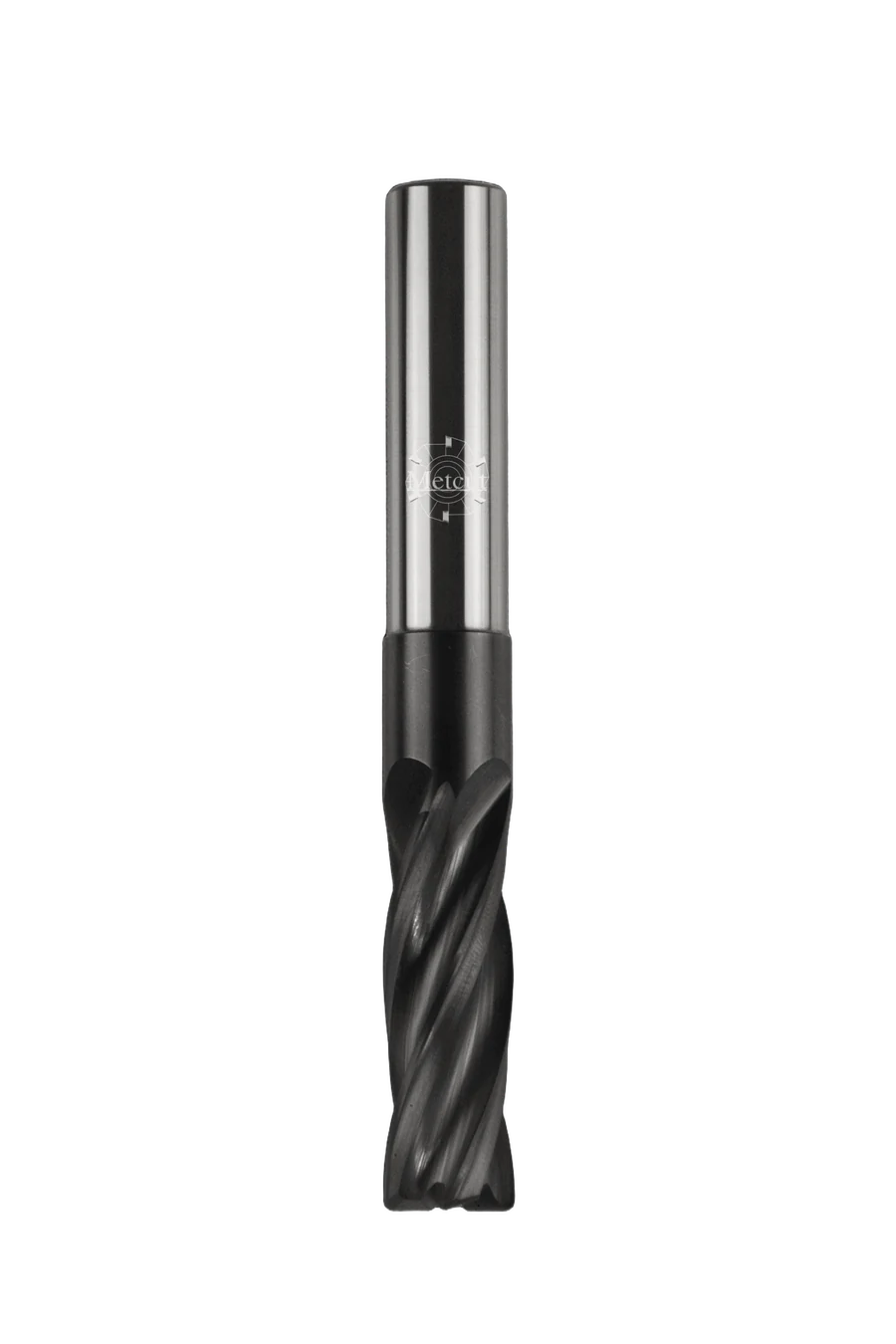
Same discipline, different duty — coating chosen for the material being cut, with the flute geometry ground to suit the chip it has to clear.
Six flutes and a coated cutting section — the coating stops where the shank begins, which is a grinding and masking discipline as much as a coating one.
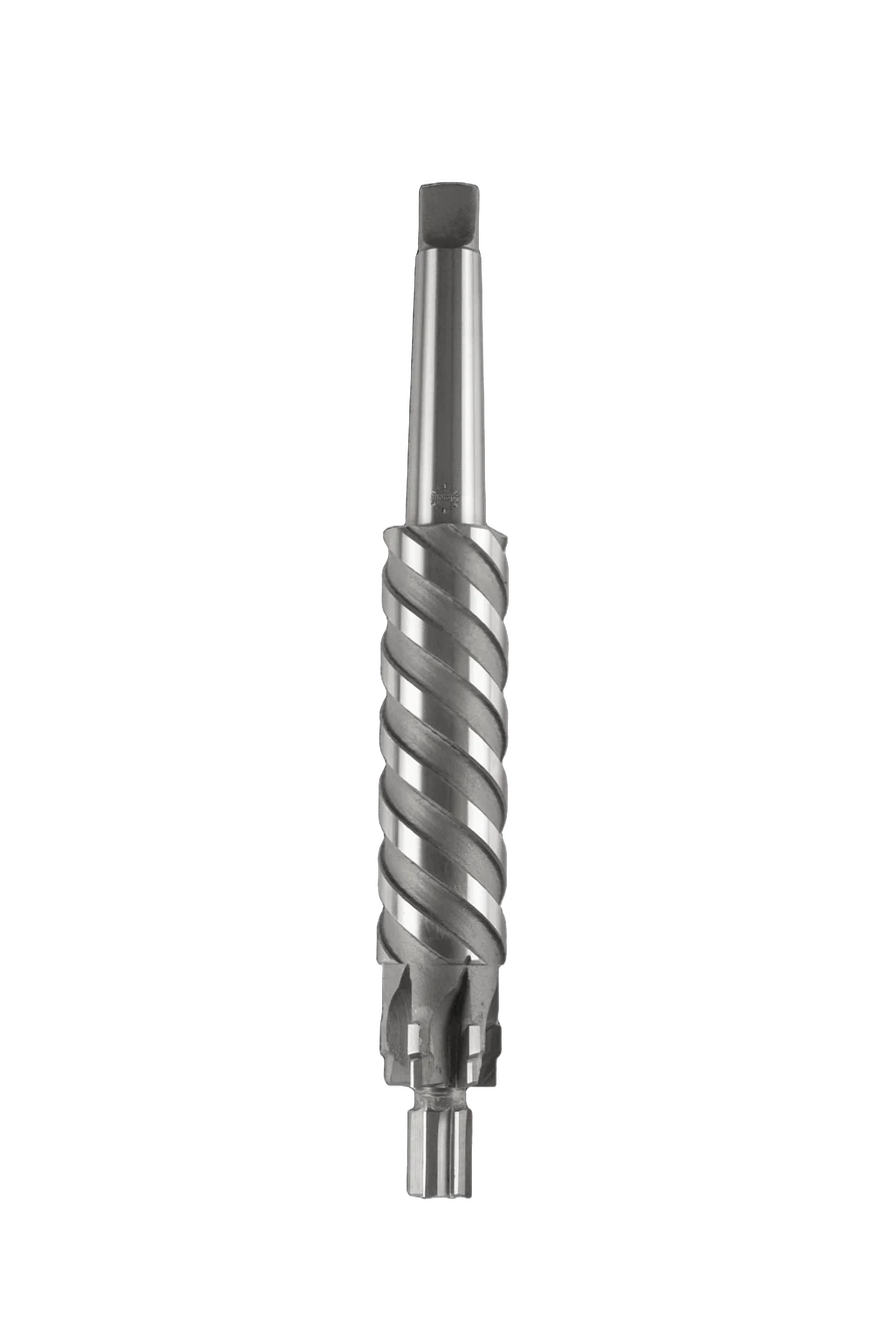
The clearest example of why special tools exist: several diameters and a pilot on one body, replacing what would otherwise be a sequence of separate operations.
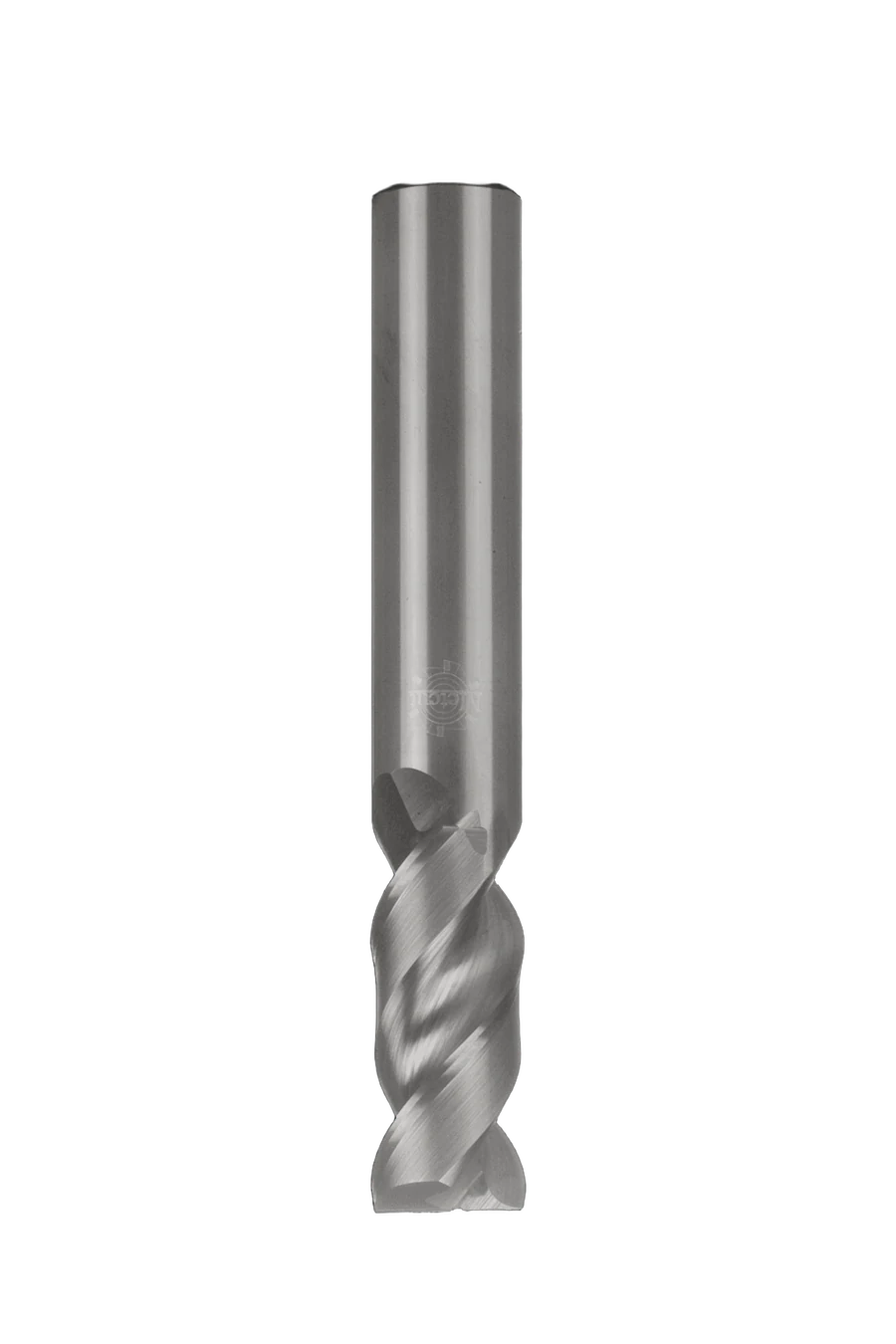
A straightforward-looking tool that isn't: flute count and helix were set by the material and the finish the customer had to hold, not by what was on the shelf.
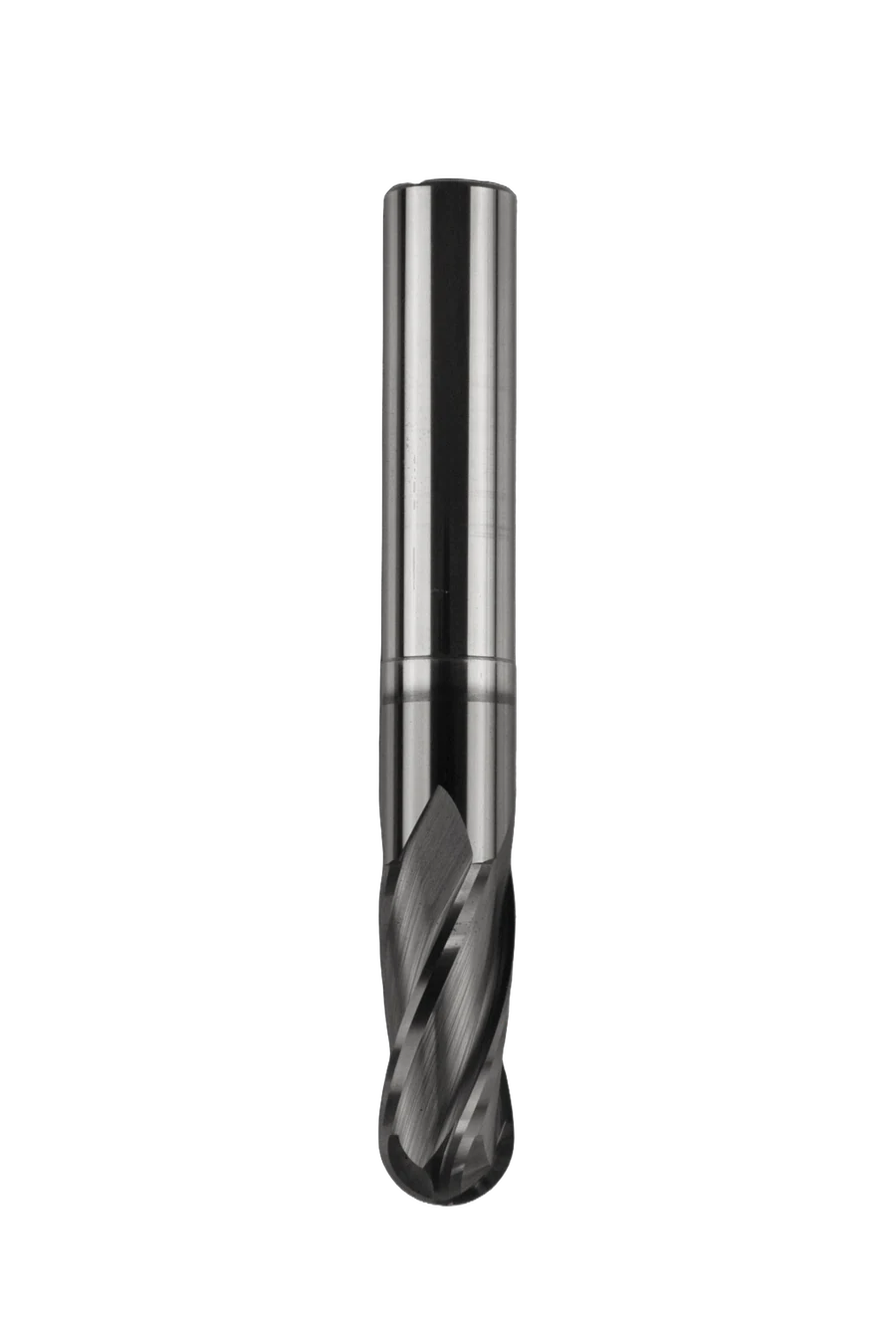
A radiused nose ground to a specified corner — the detail that decides whether the finished component has the fillet the drawing asks for.
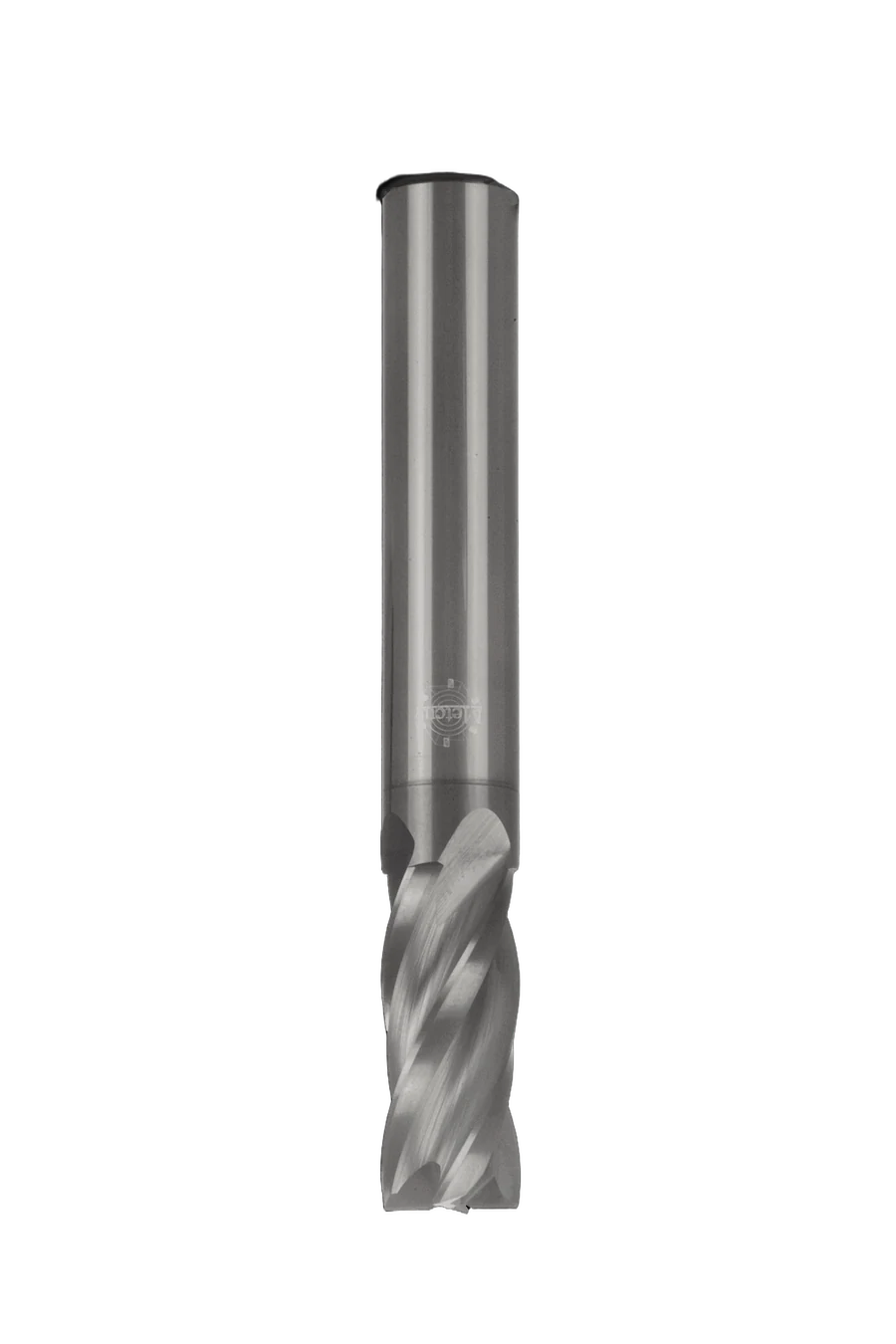
Reach and clearance without losing rigidity — the compromise that has to be engineered rather than picked from a size chart.
Operation, material, tolerance and the constraint you're working against.
Geometry drawn to the job — diameters, steps, helix, point.
First article ground and proved against the drawing before anything repeats.
Ground on our CNCs in Hubli, to the approved first article.
Checked against the drawing, then released — same tool, every repeat order.
Tell us the operation you're trying to do and the constraint you keep hitting. If a standard tool solves it, we'll say so. If it doesn't, we'll draw you one that does.